How to Find Free Books by Mail: Giveaways, Reviews and Exchanges
Document-based research. This guide does not claim personal use or verified earnings. Read our disclosure.
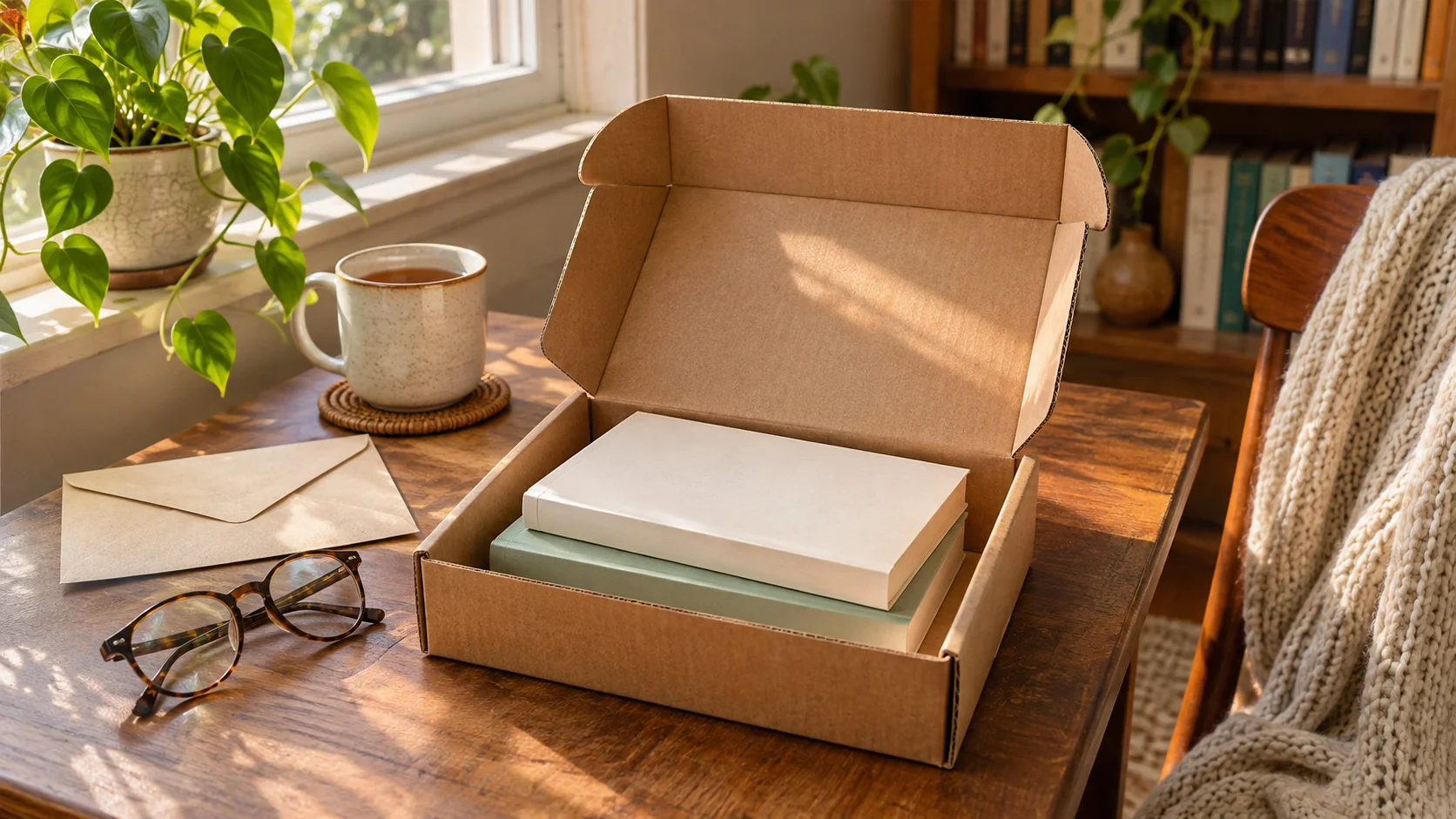
Free books by mail can come from publisher giveaways, review programs, special-interest organizations and some library services. The important details differ: a giveaway is a chance to win, a review copy can carry a feedback obligation, and a book swap may involve postage. Before applying, check the format, who can participate, the shipping cost and whether you may keep the book.
In this guide
Choose a route that fits your reading habits
| Route | What arrives | Main condition to check |
|---|---|---|
| Publisher or reader giveaway | A print book if the particular listing offers one and you win | Eligibility, deadline and selection rules |
| Review program | Print or digital copy depending on the listing | Selection and honest-review requirements |
| Special-interest offer | A particular title or type of book | Location, quantity and shipping restrictions |
| Accessible library service | Braille or audio materials for eligible borrowers | Eligibility, certification and return rules |
| Book exchange | A book from another member | Points, postage and any membership fees |
There is no reliable way to promise a set number of books each month. Check current offers directly, and avoid signing up for books you do not actually want to read.
Enter print giveaways on Goodreads
Goodreads lists giveaways sponsored by authors and publishers, with filters that identify print editions. Its print giveaway terms say no purchase or payment is necessary to enter or win. General eligibility includes qualifying adult residents of the United States, District of Columbia and Canada with the required Goodreads and Amazon accounts; individual listings can have narrower availability. Read the listing before entering.
Selection is not guaranteed. Check the closing date and whether the book is print or Kindle, then use the platform's official process to provide any delivery details if selected. A digital giveaway does not result in a paper book in the mail.
Request a copy through LibraryThing Early Reviewers
LibraryThing's Early Reviewers program lets members request new or forthcoming books offered by publishers and authors. The program says batches can contain paper books and ebooks, it selects recipients, and winners are expected to post an honest review on LibraryThing. Check each listing's format and country eligibility before requesting a title.
This is a useful option for readers who enjoy reviewing, not a guaranteed delivery service. Read the member rules, including deadlines and the permission granted for use of your review. Do not promise a favorable review in exchange for a book; the point is an honest assessment.
Watch publishers and authors for giveaways
Some publishers and authors offer limited print copies to introduce a new title. The safest starting point is the publisher's own website or a giveaway platform with published rules. Look for the sponsoring organization, entry deadline, geographic restrictions, number of copies and how winners will be contacted. Check whether shipping is included before submitting your address.
Social posts can outlive the promotion they describe. An old link, screenshot or enthusiastic comment does not prove that an offer is open now. A request for payment to claim an unexpected prize deserves careful verification with the sponsor using contact details you found independently.
Request a specific free title when it interests you
Some organizations distribute a particular book to people interested in their subject. For example, Bibles for America's order page offers a free copy with shipping included to addresses in the United States and its territories, limited to one per person. Its page asks for order information and describes confirmation by text, with an email contact for people without a cell phone. Read the current form and privacy information before ordering; this is a religious title, not a general book catalogue.
Travel guides, recipe booklets and other promotional publications may also be offered by their publishers. Availability and postage vary, so check the official source rather than assuming a previously free offer is still open.
Use an accessible library service if eligible
The Library of Congress National Library Service for the Blind and Print Disabled provides a free braille and talking-book library service to eligible people whose disability makes it difficult to read or handle standard print. It says materials can be delivered by mail or accessed digitally, and eligibility must be certified as part of the application. These are library materials with service rules, not an unrestricted giveaway of standard print books.
Contact your network library to ask about available formats, equipment and returning borrowed materials. For other readers, ask a local public library whether it provides books by mail or home delivery; services and eligibility differ by location.
Consider exchanges and their real costs
Book-exchange communities can connect people who are willing to pass along books. Some use credits or points, and a sender may need to pay postage. A book received without a purchase price is therefore not necessarily a cost-free exchange for the household over time.
Before joining any swap, check membership or transaction fees, postage responsibilities, the condition rules and which countries members can ship to. Compare these costs with borrowing locally. Do not send a book until another member's request and the platform's shipping instructions are clear.
Digital review copies are different from mail
NetGalley offers digital review copies and audiobooks to book advocates and industry professionals; publishers decide on requests. It can be useful if you are happy reading electronically and providing feedback, but it is not a source of physical books by post. If you simply want free reading rather than books to keep, your library may also offer ebooks or audiobooks through its lending service.
Check an offer before sharing your address
- Confirm the sponsor and read the current rules on its official site.
- Check that the format is print and that your location is eligible.
- Look for shipping, membership or handling costs before entering.
- Note whether a review is expected and whether a loan must be returned.
- Use a separate verified contact route for questions about unexpected payment requests.
Do not provide a credit-card number merely to verify that a supposedly free prize is yours. If a request is unclear, contact the organization directly before proceeding.
Frequently asked questions
Will every giveaway send me a book?
No. Giveaways generally select recipients from eligible entries. Check the listing's rules, and make other plans if you need a book by a specific date.
Must I review every free book?
Requirements vary. LibraryThing Early Reviewers expects winners to review the book; other giveaways have their own terms. Read the rules before requesting a copy.
Can I get a free book without internet access?
Ask a public library or a local organization about phone or paper applications. The NLS network offers application and service assistance through local libraries for people who meet its eligibility rules. Availability varies by program.
Sources
- Goodreads print giveaway terms
- LibraryThing Early Reviewers: how it works and member rules
- Bibles for America: free order conditions
- Library of Congress: apply for NLS service
- NetGalley: how it works
- MoneyPantry: free books by mail