How to Save Money on Electricity: A Practical Home Checklist
Document-based research. This guide does not claim personal use or verified earnings. Read our disclosure.
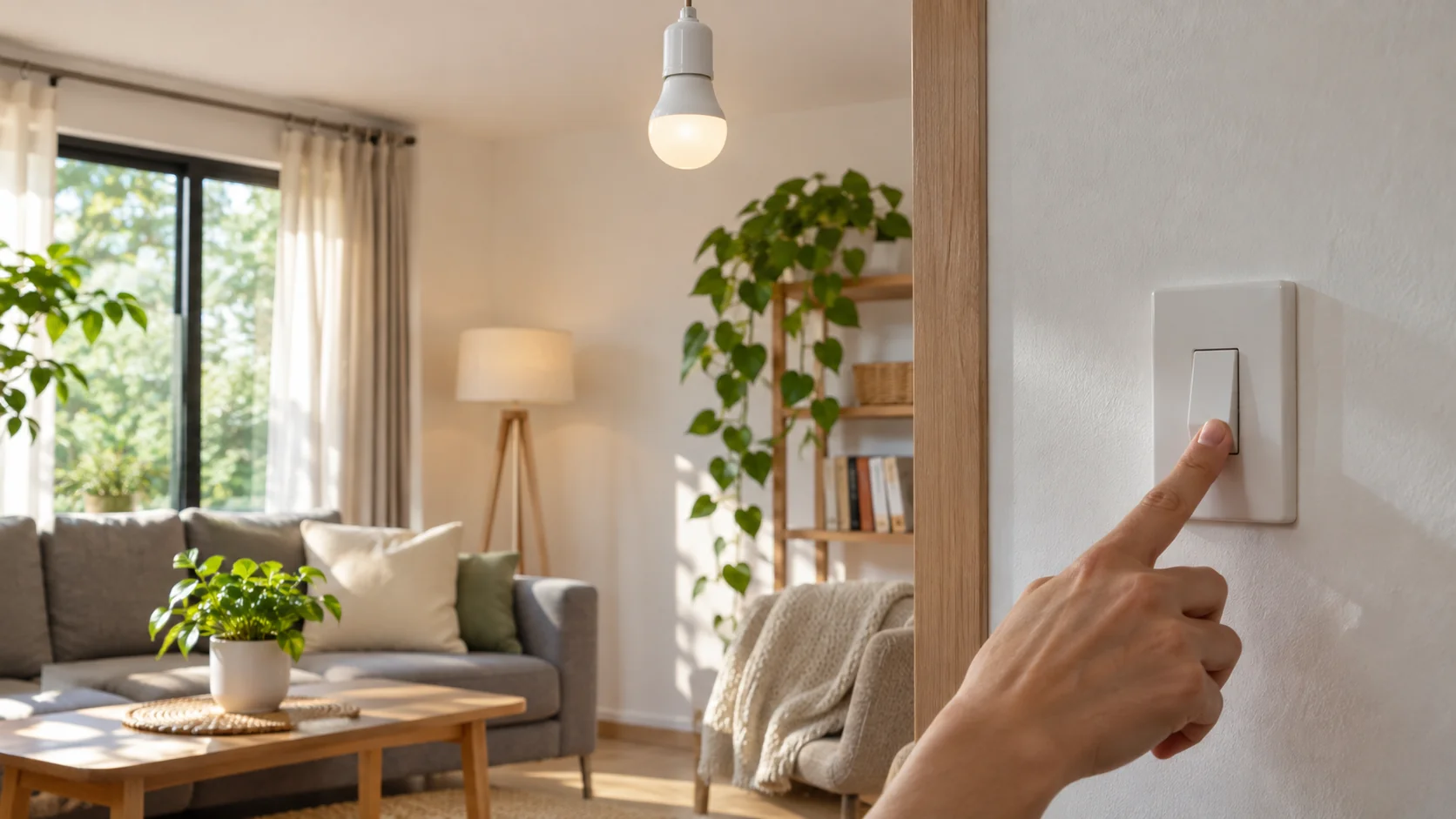
An electricity bill can change because of the weather, the number of billing days, the rate you pay and how you use your home. Start by reading the bill and identifying the equipment you use most, then choose a few changes that fit your household. A renter, a homeowner with electric heat and someone whose heat uses another fuel will not have the same options.
In this guide
This guide covers heating and cooling, lighting, laundry, appliances and bill review. It draws on the MoneyPantry electricity-saving guide and the public sources linked below. We have not measured savings in your home, and no particular reduction is guaranteed.
Start with the bill, not a promised percentage
Find the billing period, electricity use in kilowatt-hours, the price or rate schedule and any fixed charges. Compare bills for similar periods when possible, but note changes in weather, occupancy, equipment and the length of the billing cycle. A lower bill does not by itself prove which change caused it.
If a charge or meter reading looks wrong, ask the utility to explain it and how corrections are handled. If you are behind on payment, contact the utility promptly to ask about payment arrangements or assistance. Do not assume a payment plan reduces the total you owe.
Heating and cooling: adjust for your home
The U.S. Department of Energy identifies heating and cooling as major home energy uses and describes maintenance, insulation, air sealing and thermostat settings as areas to review. See its energy-efficiency overview.
Use a temperature that is safe and comfortable for everyone in the home. If your system and household allow it, ask a qualified professional or consult the equipment instructions about a schedule for times when the home is unoccupied. Heat pumps and other systems can operate differently, so a setting appropriate for one home is not automatically right for another.
Keep vents and equipment accessible, follow the manufacturer's maintenance instructions and ask the owner or a qualified technician about filters or repairs. Renters should obtain permission before altering fixtures or sealing materials. Do not block ventilation or disable safety devices.
Find drafts and manage sunlight
Check for noticeable drafts around doors and windows. The Department of Energy's renter guidance discusses measures such as efficient lighting and air sealing, while noting that some work is better left to a professional. Ask your landlord before making changes, and use products only as directed.
Window coverings can also help manage sunlight and comfort. What works depends on the season and the room. Keep exits and required ventilation clear, and do not obstruct a heater or radiator with fabric.
Lighting and everyday electronics
Turn off lights in rooms that are not in use when practical. If you need a replacement bulb, compare an appropriately rated LED with the existing bulb and check that it is compatible with the fixture and any dimmer. The Department of Energy suggests considering efficient lighting in its home energy checklist.
Use sleep or power-management settings on devices where suitable, and turn off equipment you do not need. Some devices need continuous power or connectivity; do not unplug medical equipment, safety devices or anything required for your household's health or security merely to pursue savings.
Laundry: match the cycle to the load
The Department of Energy's Energy Saver guide discusses washing full loads and using cooler water where appropriate. Follow garment care labels and the washer's instructions; some items or situations may require a different setting.
Avoid overloading the machine. If using a dryer, clean the lint filter as the manufacturer directs and use the appropriate cycle. Air-drying suitable items is another option when your space and local rules permit it. Do not obstruct dryer vents or attempt electrical repairs yourself.
Kitchen and refrigeration without compromising food safety
Keep refrigerator and freezer doors closed when possible and avoid packing the refrigerator so tightly that cold air cannot circulate. Use the appliance instructions for maintenance, and ask a qualified technician or landlord about faults.
Do not raise the refrigerator temperature beyond a safe range to save electricity. The FDA recommends keeping the refrigerator at 40°F or below and the freezer at 0°F. An appliance thermometer can help you check the actual temperature.
For cooking and dishwashing, choose the appliance and cycle appropriate for the task, follow equipment guidance and avoid running unnecessary partial loads where a full load is appropriate. Any savings will depend on the appliance and your habits.
Check for assistance and upgrades before spending
A utility or local agency may offer an energy assessment, assistance program or rebate. Availability, funding, eligibility and application requirements vary. Ask whether an assessment has a fee, what it covers and whether you need the property owner's permission.
For a larger purchase, compare the upfront price, expected energy use, installation and maintenance costs. Ask whether any local incentive applies before committing. A more efficient appliance is not automatically the least expensive choice for every household, especially if an existing appliance works well.
A simple plan to try
- Keep the latest bill and note the billing period, use and rate.
- Identify the heating, cooling and appliances used in your particular home.
- Pick one or two safe changes you can maintain, such as an appropriate laundry cycle or switching off unnecessary lights.
- Ask the utility about an unexplained charge, assessment or assistance if relevant.
- Review a later bill while accounting for weather, billing days, rates and other changes.
Frequently asked questions
Which change will save the most?
There is no universal answer. Climate, equipment, energy rates, occupancy and existing habits all matter. An energy assessment can help identify opportunities in a particular home.
Can renters reduce electricity use?
Often there are choices within a renter's control, such as lighting and appliance settings. Ask the landlord before modifying the property or equipment, and check the lease and utility arrangements.
Is budget billing a discount?
Not necessarily. A utility may offer a plan that spreads payments across the year; ask how it calculates installments, handles a balance and whether any fees apply. Spreading a bill is different from reducing energy use.
Should I raise the refrigerator temperature?
Keep food safety first. The FDA recommends a refrigerator temperature of 40°F or below and a freezer temperature of 0°F. Check with an appliance thermometer rather than raising the setting beyond the safe range.
Can I guarantee a specific reduction?
No. Changes in rates, weather and household use make results different for each home. This guide has not measured a reduction for your household.
Take the next step
Read the bill, choose changes that fit your equipment and household, and keep safety and comfort in view. Ask the utility or a qualified professional when a charge, repair or upgrade is unclear.