Where to Sell Used Appliances: Local Buyers, Pickup and Recycling
Document-based research. This guide does not claim personal use or verified earnings. Read our disclosure.
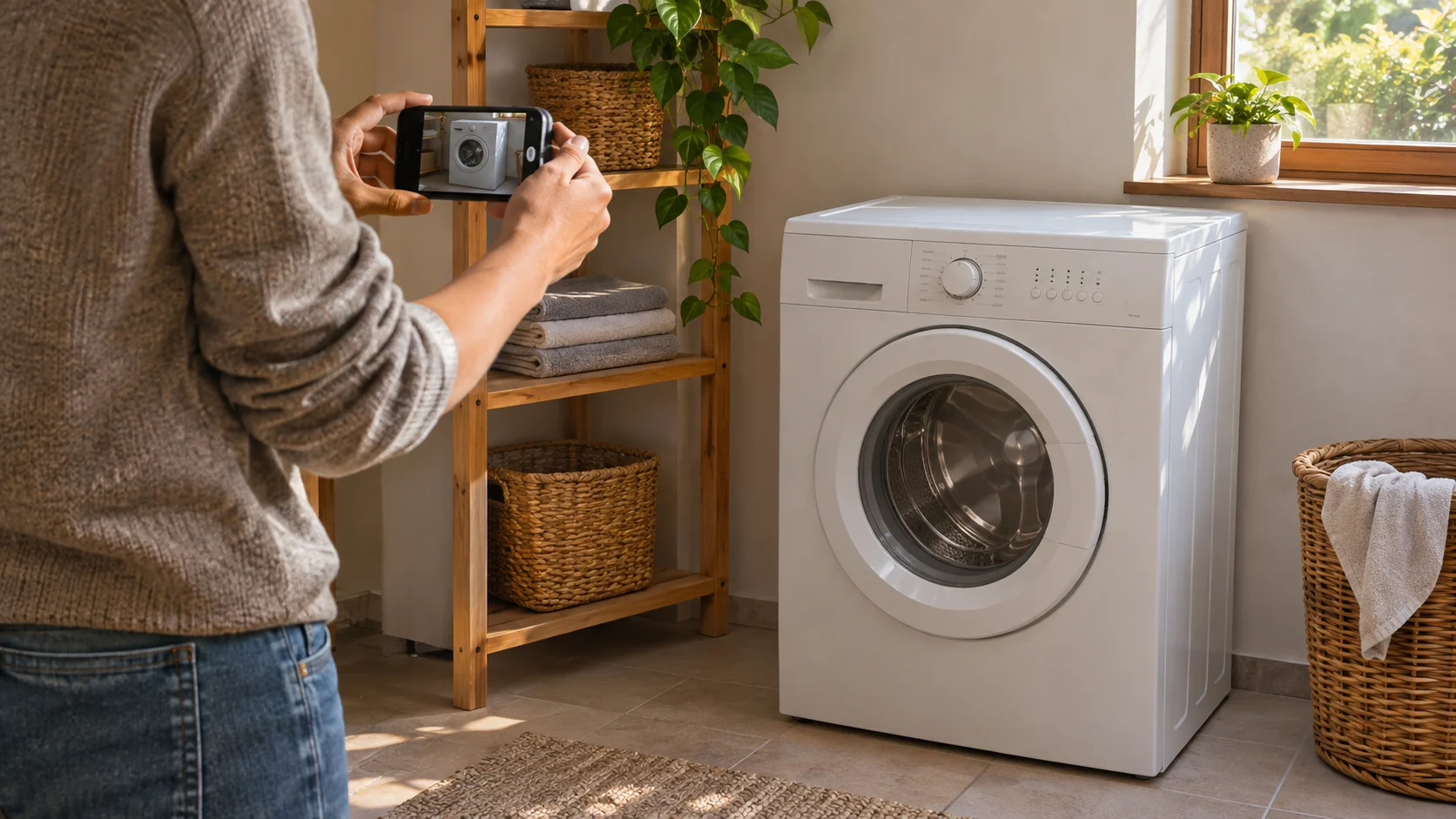
A working washer, dryer, refrigerator or other appliance may be useful to someone else, but a sale is not guaranteed. Compare local buyers, resale stores and collection costs before listing it. For heavy or connected equipment, agree on pickup and disconnection arrangements in advance; if the appliance is unsafe or cannot be sold, look into a suitable recycling or removal service.
In this guide
Compare your options
| Route | How it works | Check before deciding |
|---|---|---|
| Local marketplace | You list the appliance for a nearby buyer | Collection, payment and how buyers can inspect it |
| Used-appliance store | A local store may inspect and make an offer | Whether it buys that model and offers pickup |
| Yard or community sale | You advertise to people nearby | Safe access and a plan for lifting a heavy item |
| Recycling or removal | An organisation takes an unwanted appliance | Fees, accepted items and any preparation required |
A store's offer is not the same as the price it may later charge a customer. Selling yourself can require more messages and coordination, while a direct buyer may offer convenience. Ask whether pickup is included and compare the amount remaining after any moving or collection cost.
Sell locally through a marketplace
A local listing is often practical for a bulky appliance because shipping can be expensive or difficult to arrange. Choose a marketplace that operates in your area and permits the item. Describe the brand, model, approximate dimensions and condition, along with any known defects or missing parts. State whether the appliance is still connected and whether collection is required.
Photograph the actual item in good light. Show the front, interior and relevant accessories, and disclose dents, wear or functional issues. If you have tested it, explain what you checked; if you have not, say so. Avoid posting personal account information from a connected appliance or a serial number unless needed for a legitimate transaction.
Agree on the price and payment method before collection. Follow the platform's safety guidance and confirm payment through the payment service itself rather than relying only on a screenshot or email. Consider having another adult present during pickup, and avoid sharing more personal information than necessary before you are comfortable with the arrangement.
Contact used-appliance stores
Some independent appliance stores repair and resell used equipment and may buy suitable models. Call local businesses before moving the item. Ask whether they buy your type of appliance, whether they need it in working condition, whether they collect it and how the offer is paid. A store can decline an item because of condition, age, space or demand.
If a quote depends on an inspection, ask what happens if the offer changes. A pickup fee can reduce or eliminate the amount you receive, so request the terms in advance. Keep any receipt or written agreement until the transaction is complete.
Prepare the appliance and the collection route
Clean the appliance according to its manufacturer's instructions and remove your belongings. Photograph any included shelves, hoses, manuals or accessories and say what is included. Measure the appliance as well as doorways, stairs and other narrow points along the route. Tell the buyer if collection involves steps, a lift or a long carry.
Do not attempt electrical, gas, plumbing or refrigerant work that you are not qualified to perform. Arrange a suitable professional when disconnection, installation or refrigerant handling is required. Follow the manufacturer's moving instructions, and plan enough people or equipment for a heavy load. The buyer and seller should agree who is responsible for the work and any cost before pickup.
For a connected or “smart” appliance, remove personal account access and follow the manufacturer's transfer or reset instructions. Keep a copy of any information you need before doing so. Do not imply a feature works unless you have checked it.
Check recalls and safety
Search the manufacturer's notices and the relevant product-safety authority for the model before offering an appliance for sale. In the United States, the Consumer Product Safety Commission says offering a recalled product for sale is unlawful. Its guidance discusses cases where the specified recall remedy has been properly applied; consult the actual notice and current rules before proceeding.
Do not sell an appliance as working if it has a known dangerous defect. If you cannot determine whether an item is safe, consult the manufacturer or an appropriate professional. Condition and legal requirements vary by item and location.
When recycling or removal makes more sense
If an appliance has no buyer, is too costly to move or is unsuitable for resale, compare authorised local recycling and collection options. A retailer may offer haul-away with a replacement purchase; a municipality or utility may have its own program. Fees, accepted models and eligibility vary, so confirm the current conditions rather than assuming collection is free.
For refrigerators, freezers and similar equipment, the US Environmental Protection Agency explains that refrigerant and other components need appropriate handling during disposal. The agency suggests checking utility, municipal and retailer options and notes that professional refrigerant removal may be required for some collections. Do not vent refrigerant or dismantle a sealed system yourself.
Decide what the sale is worth to you
Look at comparable local listings and, where available, completed sales of the same model and condition. An asking price does not prove that an item sold for that amount. Subtract any cleaning, disconnection, moving or pickup cost, and consider the time required to coordinate with buyers.
If a buyer offers less than expected, compare that offer with the realistic alternative of storing, donating or paying for removal. A donation centre may have condition and pickup requirements of its own; ask before delivering an appliance. No source can promise a particular resale price for your individual item.
Before you accept an offer
- Confirm the model, measurements, condition and any recall status.
- Agree on the price, payment method, pickup time and who provides lifting help.
- Establish who will arrange any qualified disconnection or installation.
- Remove belongings and follow the maker's instructions for moving or transferring the item.
- Compare the net amount with a documented recycling or removal option if the sale does not proceed.
Frequently asked questions
Can I sell a nonworking appliance?
Some buyers accept items for repair or parts, while others buy only working equipment. Describe known faults accurately and do not offer a recalled or unsafe product contrary to applicable rules.
Will a buyer collect a heavy appliance?
Some will, but collection, lifting help and disconnection should be agreed in advance. A store may charge for pickup or limit its service area.
Can I remove refrigerator refrigerant myself?
Do not dismantle or vent the refrigerant system. Check local disposal requirements and arrange appropriate professional handling where needed.
Did Navelunio obtain a quote for this article?
No. This is a research-based comparison; we have not sold an appliance or obtained a buyer's offer. For further selling ideas, see MoneyPantry's used-appliance guide, and verify current business details and terms before using a service.
Related guides
Compare ways to sell used LEGO