Where to Sell Used Shoes: Online Marketplaces, Consignment and Local Shops
Document-based research. This guide does not claim personal use or verified earnings. Read our disclosure.
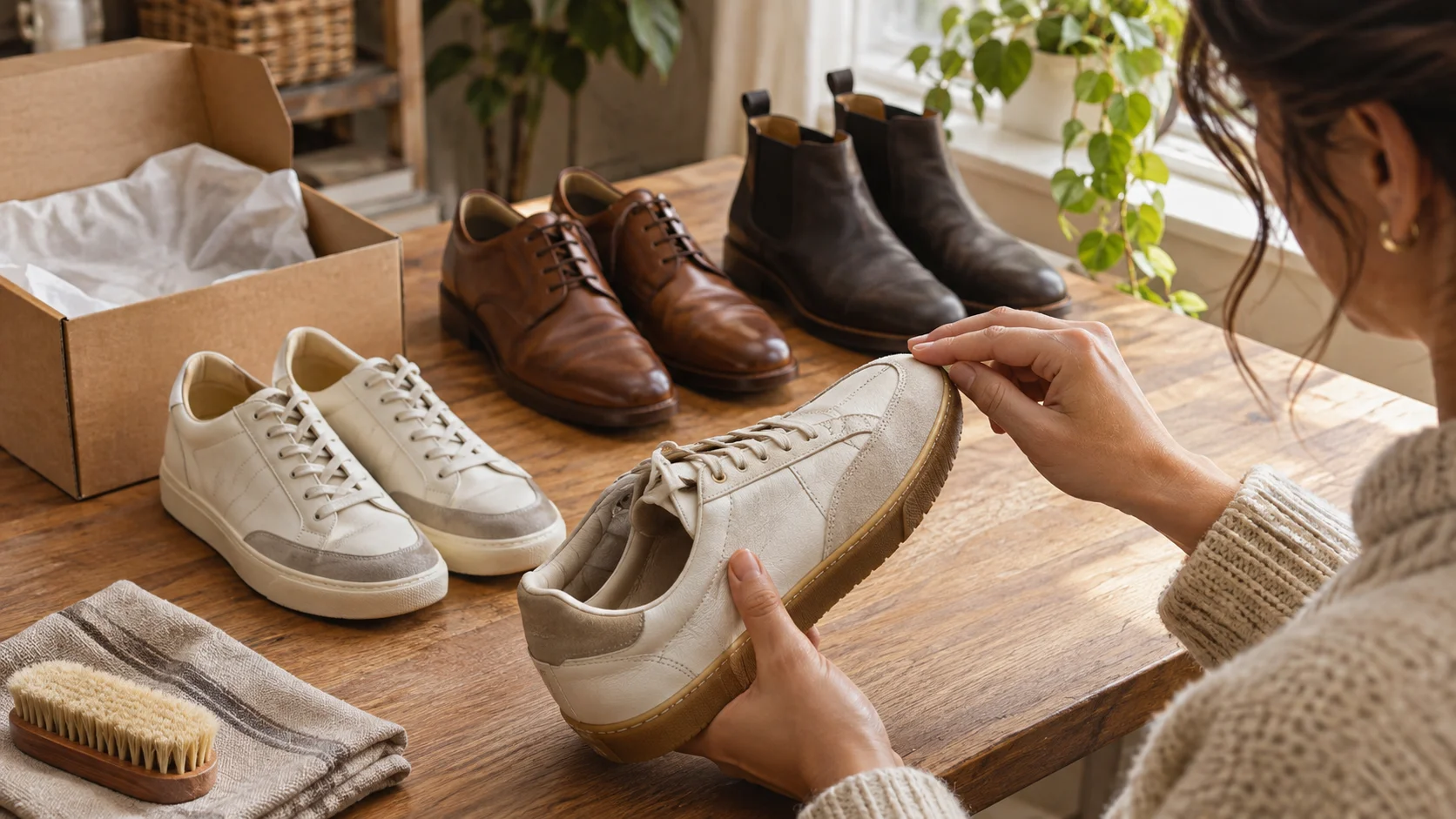
A pair of shoes you no longer wear may be useful to someone else, but the right selling route depends on its condition, style and the work you want to do. Online marketplaces let you reach more buyers; a local resale shop can give you an immediate decision. This guide compares the trade-offs and shows what to check before listing. It does not assume a particular sale price or guaranteed buyer.
In this guide
Choose a route that fits the shoes
| Route | Best starting point | Main trade-off |
|---|---|---|
| General online marketplace | Everyday pairs or unusual sizes you can describe clearly | You handle the listing, shipping and applicable fees |
| Fashion resale marketplace | Clean shoes with clear brand and size information | Sales depend on buyer interest and platform terms |
| Sneaker-focused listings | Collectible or distinctive pairs with documented condition | Eligibility and authentication rules depend on the marketplace |
| Local buyout shop | Trend-led shoes you want assessed in person | The store may decline items or offer less than a retail listing |
| Consignment shop | Designer pairs where a shop has the right audience | Payment may depend on a later sale and the shop's agreement |
| Local person-to-person sale | Bulky bundles or pairs you prefer not to ship | You arrange a safe exchange and avoid off-platform payment pressure |
Check the current rules for your country and item before choosing. Acceptance, seller fees, shipping labels and payment timing can differ by platform, account and location.
1. eBay: a broad marketplace
A general marketplace can suit ordinary shoes, specialty sizes and collectibles because sellers can provide detailed descriptions and photographs. On eBay, compare completed listings for the same model, size and condition rather than treating an asking price as a confirmed sale. Note sole wear, repairs, missing laces and whether the original box is included.
You create the listing, respond to questions, pack the order and follow the selected shipping method. eBay's seller documentation explains that fees depend on the listing and category and may be based on the total sale amount. Review the current fee schedule, any authentication requirement and return conditions before setting a price.
2. Poshmark: fashion-focused resale
Poshmark can be worth considering for shoes that fit its fashion marketplace. Take clear photographs of both shoes, the soles, labels and any flaws. Include the size and fit information shown on the item without guessing about authenticity or materials.
The platform publishes a seller fee schedule. Check the version for your market and the expected shipping process before accepting an offer; fees or local taxes can affect the amount you receive. A listing can take time to sell, so choose this route if you are comfortable keeping the shoes while waiting.
3. StockX Listings: selected used or distinctive pairs
StockX distinguishes between its Verified Marketplace, which it describes as new and unworn, and its Listings Marketplace, which can include used items. Its seller guidance says Listings availability and categories have specific conditions. Check whether you can sell through the applicable marketplace and describe wear, packaging and accessories accurately.
Do not assume that a used pair qualifies for the new-shoe marketplace or that every listing is authenticated in the same way. Read the current product and seller rules, including fees, shipping and any verification steps, before offering a collectible pair.
4. Local resale shops: ask for an offer
A resale store can inspect shoes and tell you whether it wants to buy them. Some Plato's Closet locations describe buying gently used, current-style shoes and paying for accepted items in person. Policies and preferences vary by store, so call your local branch about accepted styles, identification and payment before making a trip.
Clean the shoes gently, pair them together and disclose damage. The store's offer may be lower than the price you might set yourself, but you do not have to photograph, ship or wait for an online buyer. You can decline an offer if it does not suit you.
5. Consignment: let a specialist sell
For designer or collectible shoes, a local consignment shop may have an audience interested in the brand or style. Ask whether the store accepts used footwear and whether authentication or an appointment is required. Before leaving a pair, obtain a written agreement explaining the sale period, commission, markdowns, payment date, insurance and what happens to unsold items.
Consignment generally means the store sells on your behalf rather than buying the shoes immediately. A sale is not guaranteed, and the contract determines when and how you are paid. Compare the expected net amount with an online listing or a direct local offer.
6. Local marketplaces: arrange your own exchange
A local marketplace can be useful for an inexpensive pair or a bundle where shipping would take up much of the expected proceeds. Provide clear photos, size and condition, and agree on the meeting details through the platform. Meet in a public place and follow the marketplace's safety advice.
Be wary of anyone asking you to move to an unfamiliar payment page, share a verification code or refund an alleged overpayment. Confirm funds through your own account or chosen payment method rather than relying on a screenshot. Never give a buyer your password.
Prepare the pair before listing
- Inspect both shoes. Check the uppers, lining, insoles, heels and soles. Mention cracking, odor, repairs or significant wear honestly.
- Clean carefully. Use a method suitable for the material; aggressive cleaning can damage leather, suede or delicate finishes.
- Photograph the details. Show both sides, soles, size labels, any defects and included accessories. Use your own photos.
- Compare realistic prices. Look for completed sales or current buyout offers for similar condition and size, then account for fees and shipping.
- Pack to protect the shoes. Use appropriate cushioning and a sturdy outer box. Check label and tracking requirements for the sale.
For collectible pairs, keep receipts or other provenance where available, but avoid posting personal information in a public listing. Counterfeit goods should not be offered for sale.
Questions before you sell
Which option pays the most?
There is no universal winner. A direct local offer, consignment and online sale involve different fees, effort and risks. Compare the amount you would keep after the actual costs, and remember that an unsold listing produces no payment.
Can I sell worn sneakers?
Some marketplaces and local stores accept used shoes if they meet their condition rules. Check the specific route: StockX, for example, distinguishes its used Listings Marketplace from its new-and-unworn Verified Marketplace.
What if a store rejects my shoes?
Ask whether the issue is condition, season or current demand, then consider another suitable seller or donation option. A rejection is not a reliable estimate of the pair's value elsewhere.
When will I get paid?
A local buyout may pay when you accept the offer; marketplace and consignment payment timing depends on the sale, delivery and provider's terms. Confirm the schedule and any holds before handing over the item.
Sources and scope
This guide uses MoneyPantry's guide to selling shoes as its topic reference, along with eBay seller fees, Poshmark's fee information, StockX Listings seller guidance, and an example Plato's Closet store policy. Terms can change, so verify the current rules for the service and location you use. No personal sale or earnings are claimed.
Related guides
Compare ways to sell used LEGO